
Minimalist Home Design: Simple Ideas for Stylish Living

Contemporary living increasingly calls for spaces that feel composed rather than crowded. In response, minimalist home design has gained prominence for its quiet confidence and architectural clarity. It favours thoughtful planning, refined detailing, and a deliberate reduction of excess, allowing interiors to breathe.
From carefully selected finishes to well-proportioned layouts, minimalist interior design supports a lifestyle centred on focus and calm. When approached with intention, both minimalist interior decor and spatial planning contribute to homes that feel balanced, practical, and visually enduring.
What Is Minimalist Home Design?
Minimalist home design centres on spatial clarity, measured restraint, and purposeful composition. Instead of layering decorative elements, it refines the interior to what is essential, letting proportion, material, and light define the atmosphere.
While often associated with stark spaces, contemporary minimalist house design introduces warmth through texture and subtle tonal shifts. When guided by strong architectural intent, minimalist interior design results in environments that feel calm, cohesive, and enduring.
Key Principles of Minimalist Interior Design
Clarity of Form and Function
In minimalist interior design, each element must justify its presence. Furniture serves a clear function, circulation remains unobstructed, and visual distractions are reduced. Clean geometries and straightforward silhouettes form the backbone of the space.

Restrained Colour Palette
Neutral tones dominate most minimalist house design schemes. Whites, warm greys, soft taupes, and muted earth shades provide a calm backdrop. Subtle tonal variations prevent the interior from feeling flat while preserving cohesion.

Emphasis on Natural Light
Daylight plays a defining role in minimalist home design. Expansive glazing, sheer window treatments, and uncluttered sills enable light to shape the room throughout the day. Shadow and brightness become part of the aesthetic composition.

Quality Over Quantity
Fewer pieces demand better craftsmanship. Whether stone, timber, metal, or linen, materials are chosen for authenticity and longevity. This principle influences both architectural detailing and minimalist interior decor, where tactile finishes carry visual interest.

Minimalist Interior Decor Ideas for a Calm Home
Introduce Texture Through Materials
Texture replaces ornament in minimalist interior decor. Consider brushed oak cabinetry, honed marble surfaces, woven rugs, or limewashed walls. These finishes provide depth without visual noise.

Keep Styling Intentional
Accessories should be edited carefully. A single ceramic vessel, a curated art piece, or a sculptural lamp can anchor a room. This approach allows minimalist interior design to feel personal while remaining composed.

Conceal Storage Thoughtfully
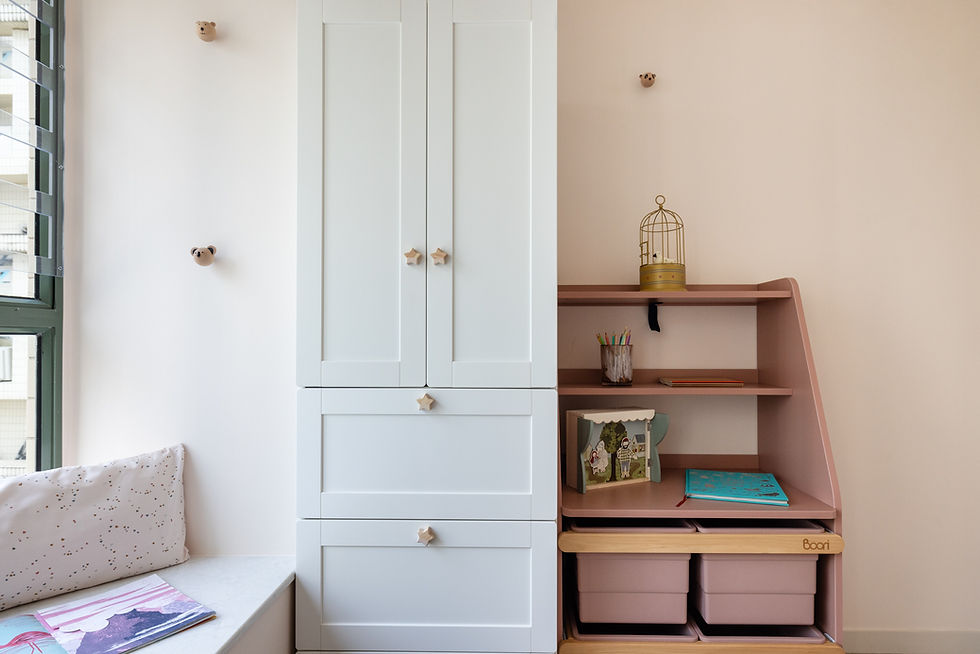
Integrated cabinetry and concealed compartments maintain visual order. Built-in storage is particularly effective in minimalist house design, where exposed clutter can quickly disrupt the spatial rhythm.

Select Sculptural Lighting
Lighting doubles as functional art. Pendant lights with clean profiles or recessed architectural lighting enhance the understated elegance associated with minimalist home design.

Layer Soft Furnishings Sparingly
Textiles such as linen curtains, wool throws, and upholstered seating soften hard surfaces. The key is moderation. Carefully chosen fabrics complement minimalist interior decor without overwhelming the space.

Minimalist House Design Ideas by Room
Minimalist Living Room Design
In living areas, focus on proportion and breathing room. Low-profile sofas, streamlined shelving, and subtle focal points such as a fireplace or artwork maintain balance. Incorporating minimalist furniture ideas, such as modular seating or concealed media units, helps keep the space adaptable and uncluttered.

Minimalist Bedroom Design
Bedrooms benefit from symmetry and simplicity. A platform bed, integrated bedside storage, and layered neutral bedding reinforce calmness. Here, minimalist interior design encourages restful surroundings free from excess decoration.

Minimalist Kitchen Design
Handleless cabinetry, integrated appliances, and continuous countertops define a minimalist kitchen. In many minimalist house designs, kitchens adopt a muted palette to blend seamlessly with adjacent living spaces. Consider minimalist furniture ideas such as slim bar stools with refined silhouettes for islands or breakfast counters.

Minimalist Bathroom Design
Bathrooms thrive on material harmony. Large-format tiles, frameless glass partitions, and floating vanities contribute to a sense of openness. The discipline found in minimalist home design is especially effective in compact bathrooms, where clarity enhances perceived space.

Common Mistakes to Avoid in Minimalist Home Design
Even restrained spaces require thoughtful execution. Without careful planning, a minimalist home design can lose its intended clarity.
Over-editing the space: Removing too many elements can make interiors feel incomplete rather than refined. A successful minimalist interior design maintains a balance between openness and comfort.
Neglecting material contrast: A neutral scheme without variation may appear flat. Layering texture within minimalist interior decor introduces depth while preserving visual calm.
Choosing style over proportion: Furniture that looks minimal but is poorly scaled can disrupt the room’s composition. Well-considered minimalist furniture ideas prioritise proportion, function, and spatial flow.
Bringing Minimalist Home Design to Life
A well-executed minimalist home design calls for spatial discipline, refined detailing, and a careful balance between openness and comfort. When approached thoughtfully, minimalist interior design creates environments that feel composed and enduring. At MAD Studio, we shape every minimalist house design with architectural precision and material sensitivity. If you’re considering a home defined by clarity and intention, contact our team and explore our minimalist design options.
FAQs About Minimalist Home Design
What defines minimalist interior design?
Minimalist interior design is defined by simplicity of form, restrained colour palettes, functional layouts, and an emphasis on high-quality materials. It prioritises spatial clarity over decorative abundance.
Is minimalist home design suitable for small homes?
Yes. Minimalist home design often works exceptionally well in compact properties because it reduces visual clutter and maximises usable floor area.
How do I choose minimalist furniture?
Look for clean lines, durable materials, and practical functionality. Well-proportioned pieces aligned with thoughtful minimalist furniture ideas support both aesthetics and comfort.
Can minimalist interiors still feel warm and cosy?
Absolutely. Through layered textures, natural materials, and balanced lighting, minimalist interior decor can create inviting environments without compromising simplicity.


Comments