
Mid-Century Modern Interior Style: Timeless Design Ideas
Mid-century design continues to resonate because of its clarity, warmth, and lasting relevance. Rooted in the post-war decades of the 1940s to 1960s, mid-century modern interior design brought together functional planning with sculptural form, creating spaces that feel both practical and expressive.
Today, a well-executed mid-century modern interior does not feel nostalgic or dated. When interpreted with restraint and architectural awareness, it delivers balanced proportions, honest materials, and a confident visual identity that integrates comfortably into contemporary homes.
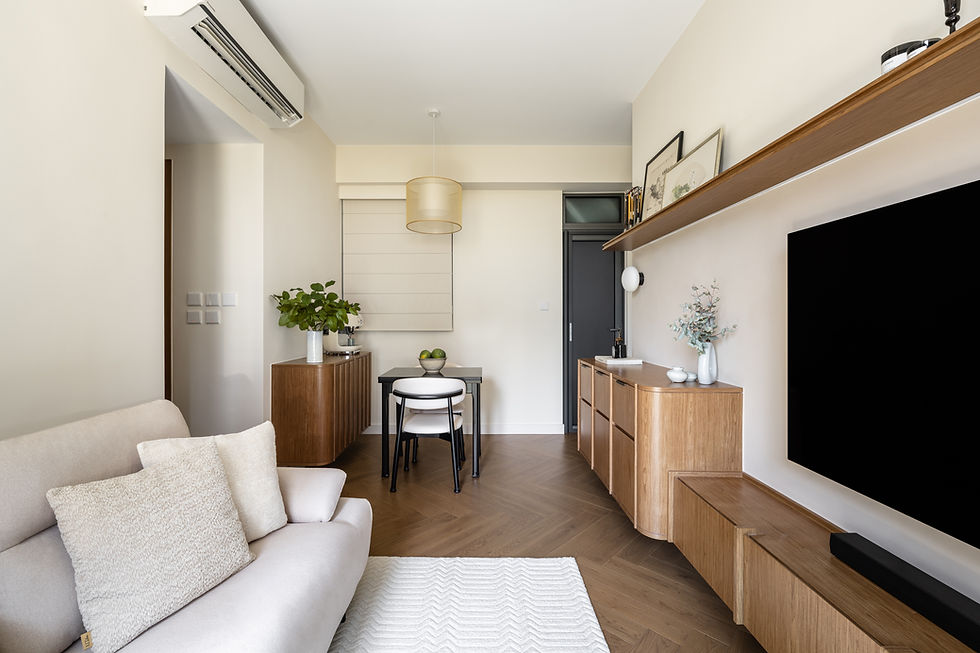
What Is Mid-Century Modern Interior Design?
Mid-century interior design emerged during a period defined by innovation in manufacturing, materials, and residential architecture. Designers explored new production methods, embraced clean lines, and prioritised accessibility without compromising aesthetics.
At its core, mid-century interior style values simplicity of form, organic influence, and a strong connection between indoor and outdoor environments. Large windows, open-plan layouts, and streamlined silhouettes reflect a philosophy centred on spatial coherence and liveability.
Key Characteristics of Mid-Century Modern Interior Style
A mid-century modern interior is shaped by proportion, material honesty, and clarity of form. These elements outline the core traits that shape this particular interior design style:
Clean Lines with Gentle Curves
Soft, organic curves often balance straight edges. In mid-century modern interior design, tapered legs, rounded armrests, and subtly curved cabinetry prevent the space from feeling rigid.
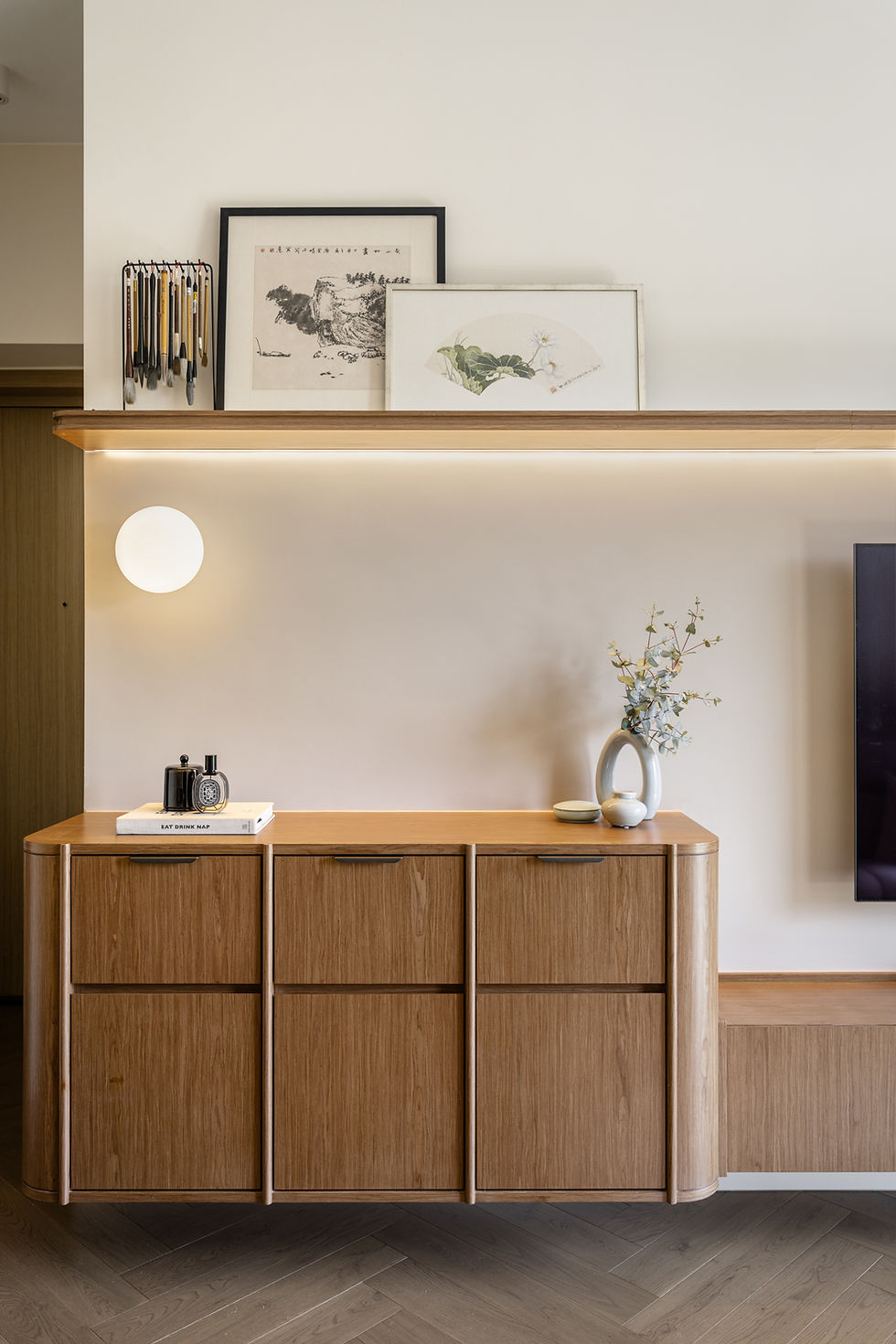
Functional, Uncluttered Layouts
Rooms are arranged to support daily routines without excess ornamentation. A thoughtfully composed mid-century modern interior relies on open circulation and well-proportioned furniture rather than decorative layering.

Natural Materials with Visible Grain
Timber plays a defining role in mid-century interior decor. Walnut, teak, and oak are frequently used, often left unstained to highlight natural character. These materials introduce warmth while maintaining refinement.

Muted Base with Bold Accents
Neutral foundations are often paired with saturated accent tones such as mustard, olive, or deep blue. In mid-century interior design, colour is applied with intention, typically through upholstery, artwork, or feature chairs.

Statement Lighting
Sculptural lighting fixtures contribute visual interest without clutter. Globe pendants, linear chandeliers, and tripod floor lamps complement the architectural restraint associated with mid-century modern interior design.

Mid-Century Interior Decor Ideas for Modern Homes
Introducing mid-century interior style into today’s homes calls for careful selection. Below are ideas for applying mid-century interior decor with measured simplicity:
Introduce Iconic Silhouettes
Incorporate recognisable forms such as low-profile sofas, spindle-back chairs, or credenzas with sliding doors. These shapes reinforce the character of a mid-century modern interior without overwhelming the space.

Combine Wood and Metal
Blending timber with blackened steel or brass creates a subtle contrast. This material pairing reinforces the layered quality often found in mid-century interior decor while keeping the palette grounded.

Embrace Open Shelving Thoughtfully
Floating shelves or modular wall systems allow display without added bulk. When arranged with intention, they support the clean structure typical of mid-century interior style.

Layer Textiles with Subtle Pattern
Geometric or abstract patterns can be introduced through rugs or cushions. Within mid-century interior design, patterns work best when balanced against simple forms and neutral bases.

Anchor Spaces with a Feature Chair
A sculptural lounge chair or accent seat can act as a focal point. In a carefully curated mid-century modern interior, one statement piece often carries more impact than multiple smaller items.

Maintain Visual Lightness
Furniture raised on slender legs contributes to a greater sense of openness. This visual lift is a defining feature of mid-century modern interior design and helps compact rooms feel less confined.
How to Mix Mid-Century Style with Contemporary Interiors
Though not impossible, combining eras requires restraint and clarity. The goal here is cohesion rather than contrast for its own sake.
Start with a contemporary foundation: Use neutral walls, streamlined cabinetry, and simple architectural detailing. This provides a quiet backdrop for selected mid-century interior style elements.
Introduce timber thoughtfully: Walnut or teak furniture can warm a modern setting. A single credenza or dining table often carries more impact than multiple statement pieces.
Balance sculptural forms with clean lines: Curved lounge chairs or globe lighting soften angular contemporary spaces. This interplay keeps a mid-century modern interior feeling intentional rather than staged.
Limit bold colour accents: Apply saturated tones sparingly through upholstery or artwork. Controlled colour placement strengthens the integrity of mid-century interior decor.
Common Mistakes to Avoid in Mid-Century Interior Design
A successful scheme depends on proportion and discipline. Over-interpretation can quickly undermine the aesthetic.
Overcrowding with replicas: Filling a space with multiple vintage-inspired pieces dilutes authenticity. A refined mid-century modern interior design approach values selectivity.
Ignoring scale and layout: Poorly proportioned furniture disrupts spatial harmony. Thoughtful planning remains central to effective mid-century interior design.
Relying solely on decorative motifs: Geometric patterns alone do not define the style. The structure, materiality, and flow of the mid-century modern interior must be considered holistically.
Reinterpreting Mid-Century Modern Interior Design Today
Interpreting mid-century modern interior design today involves applying its principles with proportion and discernment rather than replicating the past. A carefully curated mid-century modern interior balances sculptural form, natural materials, and functional planning in a way that feels grounded yet current. MAD Studio in Hong Kong translates mid-century interior style into contemporary spaces with architectural rigour. Get in touch with us to explore how timeless character can be integrated into your home.
FAQs About Mid-Century Modern Interior Design
What defines mid-century modern interior design?
Mid-century modern interior design is defined by clean lines, organic forms, functional layouts, and a combination of natural materials with considered colour accents.
What furniture is essential for mid-century interiors?
Key pieces often include tapered-leg seating, streamlined storage units, and sculptural lounge chairs. These elements form the foundation of a balanced mid-century modern interior.
Can mid-century interior style work in small homes?
Yes. Because mid-century interior style emphasises raised furniture, open layouts, and visual lightness, it adapts well to compact spaces when proportioned carefully.


Comments