
Interior Design Colour Schemes: Colour Palettes for Rooms

The colours you choose for your home do more than just fill space. They influence mood, energy, and the way a room is experienced. When thoughtfully curated, colour palettes for room design bring cohesion, character, and comfort to your environment.
Whether you’re planning a bold update or refining your current aesthetic, going for the right interior colour scheme can help every room feel connected and purposeful. It’s a small design decision that often has the biggest emotional impact.
Why Colour Schemes Matter in Interior Design
Beyond visual appeal, thoughtful colour schemes in interior planning build emotional flow and practical consistency. Colour can make a room feel larger, cosier, cleaner, or more energised, depending on the tones and contrasts used.
It also plays a key role in how spaces relate to one another. A well-balanced palette connects rooms subtly, guiding the eye and making transitions between areas feel seamless rather than disjointed.

2025 Interior Colour Trends to Watch
This year’s colour trends lean into comfort, nature, and bold contrasts, offering fresh room colour suggestions that still leave room for self-expression. Here are some of the most inspiring palettes and pairings designers are turning to in 2025.
Earthy Tones
Terracotta, olive, and sand are grounding hues that bring a sense of nature indoors. They work beautifully with textured materials and neutral backdrops.

Dusky Blues
These soft, smoky blues add sophistication without feeling cold. Ideal for bedrooms or lounges, they work well in wall colour combinations that aim to create a quiet yet rich backdrop.

Greige Neutrals
A mix of grey and beige, greige is a modern yet timeless colour. It serves as a versatile foundation for many colour schemes and interior concepts.

Olive and Sage Green
These organic shades offer calm and depth. Perfect for accent walls, cabinetry, or soft furnishings, they complement wood finishes nicely.

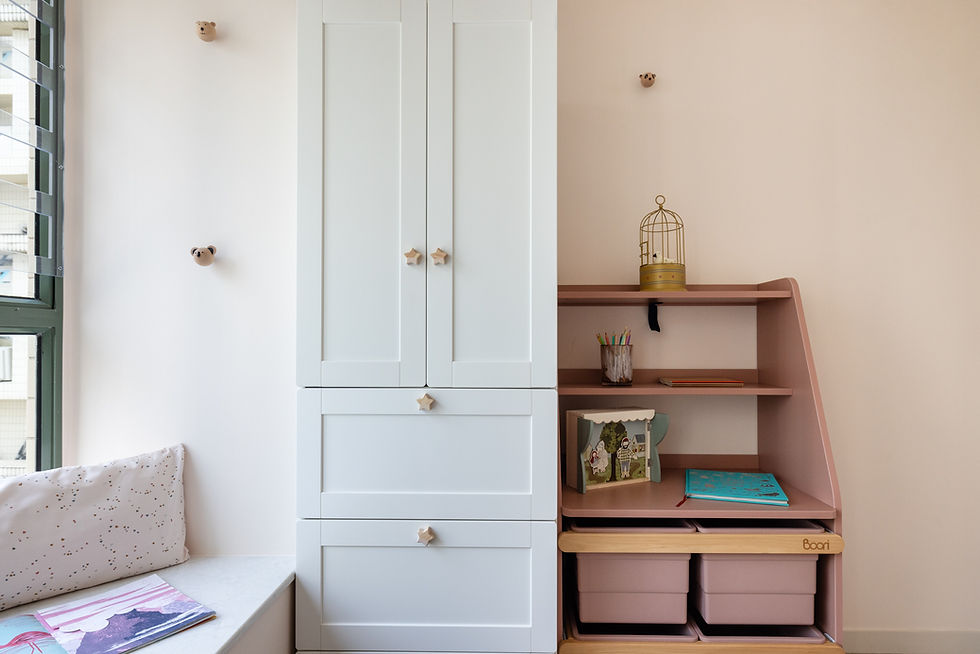
Peachy Beige
A gentle update to cream or off-white, this shade adds warmth and approachability to both traditional and modern spaces.

Black Accents
Used sparingly, black provides contrast and definition. Think fixtures, trims, or a single bold wall to add sophistication without heaviness.

Colour Palettes for Different Rooms in the Home
Each room has its own function and mood, so the right palette should support how the space is used. Below are curated ideas for room colours that align with atmosphere, size, and lighting.
Bedroom Wall
When considering wall colour combinations for bedroom spaces, muted tones that promote rest are a reliable choice. Soft green and cream, grey with pale blue, or lavender and white all provide a calm foundation for sleep.

Living Room
Warm whites, taupes, and stone greys create welcoming zones. Add a contrasting colour like forest green or navy to anchor the space with a bit of depth.

Dining Room
This is a space where colour can energise. Rich earth tones, dusty rose, or dark teal paired with neutral trim offer balance and drama.

Kitchen
Sage, dove grey, or pale beige give kitchens a timeless appeal. Combine with wood elements or white tiles for a clean, natural look.

Bathroom
For smaller bathrooms, choose colours that feel light but not flat, like powder blue, sandy beige, or soft charcoal. These tones keep the space feeling fresh and calm.

How to Choose the Right Room Colour Palette
Feeling stuck on how to build your palette? Follow these practical steps to create a whole-house interior colour scheme that’s cohesive and personalised.
Start with a Central Room. Choose the room where your family spends the most time — often the living room or kitchen. This becomes the anchor for your colour palette.
Select a Dominant Colour. Pick a shade that reflects the room’s lighting, size, and existing furnishings. A neutral tone is usually best for flexibility.
Add 2–3 Coordinating Colours. Use these in nearby spaces that visually connect to the central room. These might share undertones or contrast gently for variation.
Choose a Trim Colour. Off-white or soft ivory are safe options for most homes. These frame your palette and keep transitions clean.
Introduce an Accent. Accent colours (about 10% of your scheme) bring character. A bold chair, painted niche, or artwork can carry these pops from room to room.
Paint With Purpose: The Power of Colour Schemes in Interior Design
Colour has a quiet power in interior design. It shapes how we experience a space, from mood and atmosphere to the way rooms connect. Thoughtful colour palettes for room design can elevate even the simplest layouts into something that feels curated and cohesive.
For those seeking guidance on how to pick the right colours for each room, MAD Studio offers design-led colour consulting to help bring your ideas to life. From personalised room colour suggestions to complete colour palettes for room renovations, our team works closely with homeowners in Hong Kong to design spaces that reflect both style and substance.
FAQs About Room Colour Schemes
Which colour is best for small rooms?
Light, airy tones such as ivory, powder blue, or greige help visually expand the space. Avoid heavy colours on all walls, as they can feel confining.

What colours make a room look bigger?
Whites, soft neutrals, and low-contrast tones give the illusion of openness. Reflective surfaces and clever lighting also help enhance this effect.

Should bedrooms be painted dark or light?
Either works. Dark tones can feel cocooning, while light ones promote a more open, tranquil feel. Choose based on natural light and your personal sleep style.

What’s the difference between warm and cool tones?
Warm tones (reds, yellows, oranges) evoke energy and comfort. Cool tones (blues, greens, purples) feel calming and spacious.


Comments